
Sedatives refer to CNS depressants that calm nerve impulses and induce sleep. They primarily stimulate the activity of gamma-aminobutyric acid (GABA), the brain’s primary inhibitory neurotransmitter. As a result, they reduce mental agitation and relax muscle tone throughout the body. The main types include benzodiazepines like diazepam (also known by the brand name Bensedin), Z-drugs such as Zopiclone, and barbiturates like Phenobarbital. In fact, Public Health England reported that roughly 1.4 million adults in England receive benzodiazepine prescriptions, alongside another 1.0 million who receive Z-drugs. Healthcare providers prescribe these drugs for short-term relief of acute anxiety, severe insomnia, epileptic seizures, and pre-surgical sedation.
Among these options, Bensedin usually represent the most popular choice in the UK. Sedatives are strictly classified as Class C controlled substances; hence, patients need a valid doctor’s prescription at registered pharmacies to buy them, rather than over the counter.
What is A Sedative?
A sedative, also known as a tranquilliser, is a powerful medication that provides calmness and sleep induction by slowing the nervous system for clinical sedation. The term is pronounced as “SED-uh-tiv”. Medically, healthcare professionals classify these drugs as CNS depressants.
According to the National Institutes of Health, approximately 11.9% of the adult population uses these prescriptions annually. According to Dr Tracy Marks, “Sedatives act like a volume knob, turning down nervous system arousal to help you rest.”
Sedatives target specific nerve receptors to cause a rapid reduction in brain activity. Consequently, this mechanism produces deep relaxation effects. Looking back at their history, scientists first discovered the early synthetic version, chloral hydrate, in 1832.
What is The History of Sedatives?
The history of sedatives dates back to ancient civilisations. Ancient medicines relied on herbal remedies and plant extracts for calming and sleep-inducing effects. Over time, however, scientists began to understand how medication works in the brain. As a result, the medical field transitioned to modern synthetic formulas. Today’s sedatives are specialised central nervous system depressants used for anxiety, insomnia, and medical procedures.
How Do Sedatives Work?
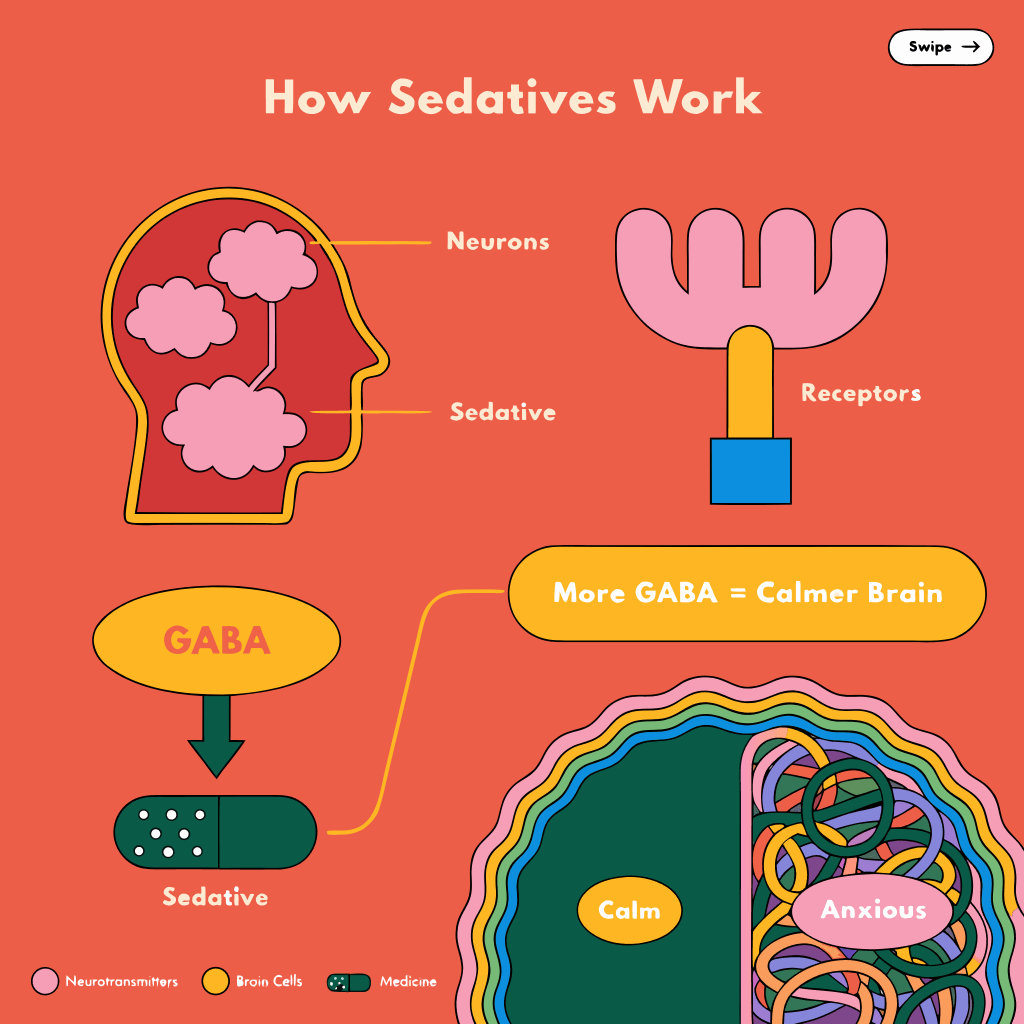
Sedatives work by stimulating the inhibitory response within the central nervous system. Specifically, they interact with neurotransmitters to induce relaxation, reduce anxiety, and may reduce pain signals or memory formation. This precise sedative mechanism allows doctors to tailor treatments. Furthermore, different types of sedatives and levels of sedation are used depending on the procedure.
In fact, global health data shows over 230 million surgical procedures require some form of sedation or anaesthesia annually. Broadly, medical sedation is a controlled state of calm and depressed consciousness. Doctors classify this into 4 different levels of sedation: minimal sedation, moderate sedation, deep sedation, and general anaesthesia.
What’s the Difference Between Sedation and Anaesthesia?
The difference between sedation and anaesthesia is primarily the level of patient consciousness and physical responsiveness. Specifically, sedation relaxes the patient and makes them deeply sleepy. During this process, the person may remain conscious and can usually breathe on their own. They also may still respond to verbal cues or gentle physical touch.
Therefore, healthcare providers frequently utilize this milder method for minor outpatient surgeries or dental work. On the other hand, general anaesthesia causes complete unconsciousness.
In this medically induced state, the person is fully unaware and entirely pain-free. Consequently, the patient often requires mechanical breathing assistance during major surgical procedures. According to The Lancet Commission on Global Surgery, global medical research indicates that anaesthesiologists administer anesthesia in over 313 million surgical procedures worldwide each year. Thus, the physiological impact is much more profound than simple relaxation.
Additionally, pharmaceutical terminology often confuses patients.
For instance, sedatives can sometimes be mistaken for anxiolytics. However, while both types of medication promote calmness, anxiolytics specifically target and relieve anxiety without inevitably forcing sleep. Ultimately, doctors carefully evaluate the specific medical procedure to choose the safest level of medication required.
What’s the Difference Between Sedative and Anxiolytic?
The difference between sedative and anxiolytic is primarily their main clinical focus and the intensity of their effect on the brain. Specifically, anxiolytics are primarily used to reduce anxiety and tension. Doctors prescribe them specifically targeting anxiety symptoms without necessarily causing extreme sleepiness. Therefore, patients can usually maintain their normal daily routines while taking them. In fact, the World Health Organization reports that around 359 million people globally suffer from anxiety disorders. Consequently, anxiolytics represent one of the most frequently prescribed classes of psychiatric medications worldwide.
Conversely, sedatives work by broadly calming the central nervous system. As a result, they produce profound relaxation or heavy drowsiness. While doctors prescribe different types of sedatives, they generally aim to induce sleep or prepare a patient for medical procedures. However, the line between these two medication categories often blurs in actual clinical practice. For instance, sometimes both effects can come from the same drug at different doses. To illustrate, a doctor might prescribe a low dose of a medication to act as an anxiolytic for daytime stress relief. Meanwhile, a significantly higher dose of that same drug will act as a strong sedative to force sleep at night.
Furthermore, both classes of drugs achieve their goals by slowing down overall brain activity. Ultimately, medical professionals carefully adjust the dosage based on whether a patient requires daytime panic relief or immediate sleep induction.
What are The Types of Sedatives?
The types of sedatives include benzodiazepines, Z-drugs, barbiturates, and other sedatives. An elaborated sedative type is listed below.
- Benzodiazepines: Benzodiazepines are potent psychoactive drugs that strongly enhance GABA receptor binding to rapidly suppress central nervous system activity, effectively treating acute anxiety and sudden seizures. Specifically, this powerful category includes well-known medications like Valium, Xanax, and Ativan. Doctors prescribe these specific drugs for many different use cases, ranging from panic attacks to muscle spasms.
- Z-Drugs: Z-Drugs are non-benzodiazepine hypnotics that specifically target the GABA-A receptor alpha-1 subunit, creating a powerful sedative effect primarily engineered to combat severe, persistent insomnia.
- Barbiturates: Barbiturates are older central nervous system depressants that non-selectively enhance GABA and block excitatory glutamate receptors, carrying a much higher risk of fatal medication overdose. Historically, this class includes powerful drugs like Phenobarbital.
- Other Sedatives: Other sedatives include alternative calming agents, including natural hormones, plant-derived compounds, and allergy medications that mildly depress the central nervous system without heavy dependency risks.
What are The Uses of Sedatives?
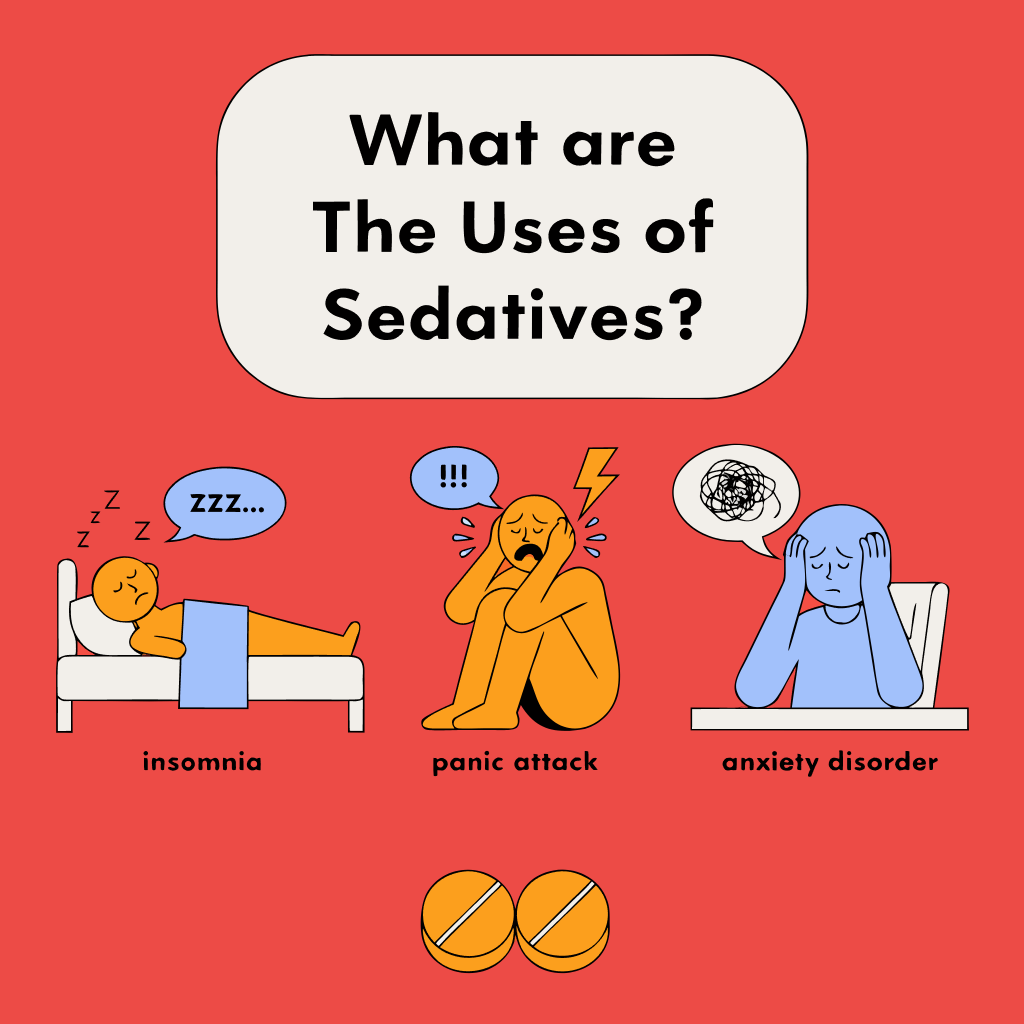
The uses of sedatives include managing anxiety disorders, panic attacks, insomnia, seizures, medical procedures, bipolar disorder, and spasticity. The uses of sedatives are listed below.
- Anxiety Disorders: Anxiety disorders refer to chronic conditions characterized by excessive worry, where sedatives provide rapid symptomatic relief. The World Health Organization states that roughly 359 million people globally live with an anxiety disorder.
- Panic attacks: Panic attacks refer to sudden episodes of overwhelming fear where sedatives quickly suppress severe physical symptoms.
- Insomnia: Insomnia refers to a sleep disorder involving difficulty falling or staying asleep, where doctors prescribe sedatives to induce rest. Therefore, these drugs help patients initiate sleep much faster.
- Seizures: Seizures refer to sudden, uncontrolled electrical disturbances in the brain that sedatives can swiftly halt. Specifically, doctors use intravenous sedatives to stabilize abnormal nerve firing during acute neurological emergencies.
- Medical Procedures: Medical procedures refer to clinical surgeries or diagnostics where sedatives keep the patient deeply relaxed and cooperative. Consequently, they reduce physical discomfort and prevent traumatic memories of the operation. Annually, healthcare providers safely utilize moderate sedation for millions of routine endoscopies and dental surgeries.
- Bipolar Disorder: Bipolar disorder refers to a mental health condition causing extreme mood swings, where sedatives help manage severe manic episodes. Therefore, they quickly reduce dangerous agitation and severe hyperactivity while primary mood stabilizers take effect.
- Spasticity: Spasticity refers to abnormal muscle tightness and involuntary spasms that sedatives relieve by relaxing overactive nerve impulses. As a result, tight muscle tone softens significantly. This drastically improves physical mobility for many of the 2.8 million people globally living with multiple sclerosis.
Is it a Must to Consult a Doctor Before Taking Sedatives?
Yes, it is a must to consult a doctor before taking sedatives because they are powerful medications that heavily affect brain activity and severely slow down the nervous system. Therefore, professional medical supervision remains absolutely critical.
Without proper guidance, patients face severe health risks, including rapid physical dependency and potentially fatal overdose. Furthermore, combining these medications with alcohol or other unregulated substances creates highly dangerous toxic interactions.
According to the CDC, among people who died of a drug overdose in 2022 and had a reported non-substance-related mental health disorder, 15.3% of deaths involved benzodiazepines. That’s why a doctor must carefully evaluate your medical history before prescribing them.
Can Sedatives Cause Side Effects?
Yes, sedatives can cause side effects such as extreme drowsiness, sudden dizziness, mental confusion, frequent headaches, and severely impaired coordination. So, doctors strongly advise patients against driving or operating heavy machinery after taking these medications.
Moreover, due to profound CNS depression, these drugs carry much more serious risks. Especially, high doses can cause dangerously slowed breathing alongside significant memory problems or interruptions. A large number of elderly patients taking these medications experience increased fall risks and temporary cognitive issues. Therefore, strict dosage control is essential to minimise adverse reactions.
Which Substances Interact with Sedatives?
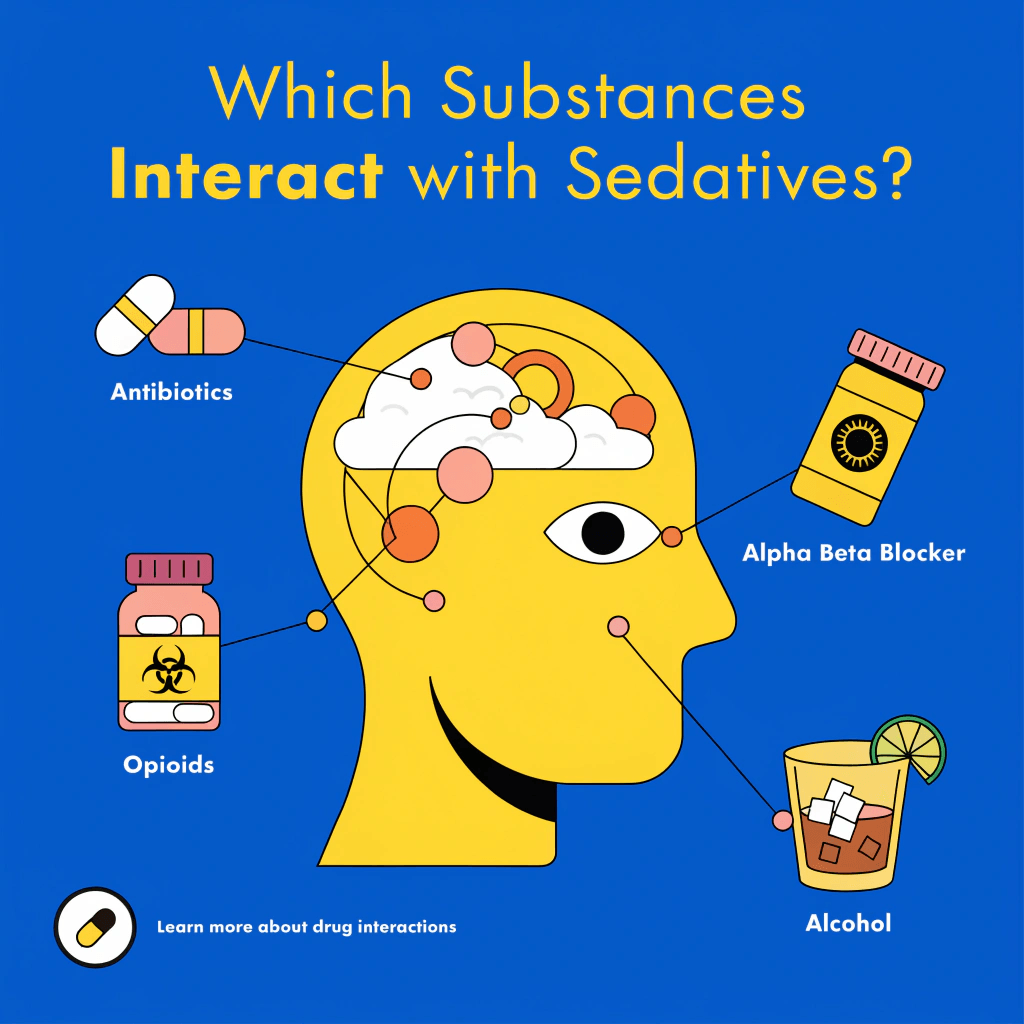
The substances that interact with sedatives are listed below.
- Alcohol: Alcohol is a common depressant that dangerously multiplies sedative effects, risking fatal respiratory failure regardless of the dosage.
- Opioids: Opioids are strong prescription painkillers that severely depress breathing when combined with sedatives, increasing fatal overdose risks.
- Antibiotics: Antibiotics treat bacterial infections; however, specific types block liver enzymes, dangerously increasing sedative concentrations in your bloodstream.
- Alpha and Beta Blockers: These blood pressure medications can, consequently, cause dangerously low heart rates and sudden fainting alongside sedatives.
- Grapefruit Juice: This popular citrus drink inhibits digestive enzymes, thereby unexpectedly causing a toxic, prolonged buildup of sedative levels.
- St. John’s Wort: This herbal depression remedy accelerates drug metabolism, therefore rapidly reducing the sedative’s overall clinical effectiveness.
What are The Common Dosages of Sedatives?
The common dosages of sedatives vary significantly depending on the specific drug class, the clinical setting, and individual patient factors. For instance, requirements differ vastly between routine outpatient use, intensive care, and procedural sedation. Hence, doctors adjust amounts constantly based on a patient’s age and weight.
Among popular sedatives, typical doses range from 2 mg of bensedin for anxiety to much higher doses for surgical settings. Furthermore, sedatives are powerful CNS depressants and must be carefully titrated by medical professionals to ensure safety while achieving the desired effect. A good number of critical care patients require frequent dose adjustments to avoid toxicity. Therefore, strict medical supervision prevents dangerous complications.
What are the Most Popular Sedatives Used in The UK?
The types of sedative medications include Alprazolam, Diazepam (Bensedin), Lorazepam, Clonazepam, Midazolam, Zolpidem, and Eszopiclone. The types of sedative medications are listed below. In fact, NHS data indicates that millions of adults rely on these specific prescriptions annually for mental and physical relief.
- Alprazolam: Alprazolam refers to a fast-acting benzodiazepine primarily prescribed for severe panic disorders and acute anxiety. Consequently, doctors carefully monitor its usage to prevent rapid physical dependency.
- Diazepam (Bensedin): Bensedin refers to a long-acting sedative used for muscle spasms and anxiety. Furthermore, the benefits of bensedin include treating dangerous alcohol withdrawal symptoms and sudden epileptic seizures.
- Lorazepam: Lorazepam refers to a highly potent benzodiazepine frequently utilised in hospital settings. Therefore, healthcare providers rely on it for pre-surgical sedation and severe, short-term anxiety management.
- Clonazepam: Clonazepam refers to a long-acting medication specifically designed to control severe seizure disorders. In fact, neurologists also frequently prescribe it to manage extreme panic attacks effectively.
- Midazolam: Midazolam refers to an extremely fast-acting liquid sedative heavily utilised during clinical procedures. Consequently, it induces deep relaxation and temporary amnesia before invasive dental or surgical work.
- Zolpidem: Zolpidem refers to a popular non-benzodiazepine Z-drug exclusively engineered to treat severe insomnia. Therefore, it rapidly helps struggling patients initiate restorative sleep without prolonged daytime grogginess.
- Eszopiclone: Eszopiclone refers to a strong hypnotic medication prescribed for maintaining longer sleep cycles. In fact, clinical trials show it effectively prevents frequent nighttime awakenings for insomniac patients.
What are The Benefits of Bensedin Used as a Sedative?
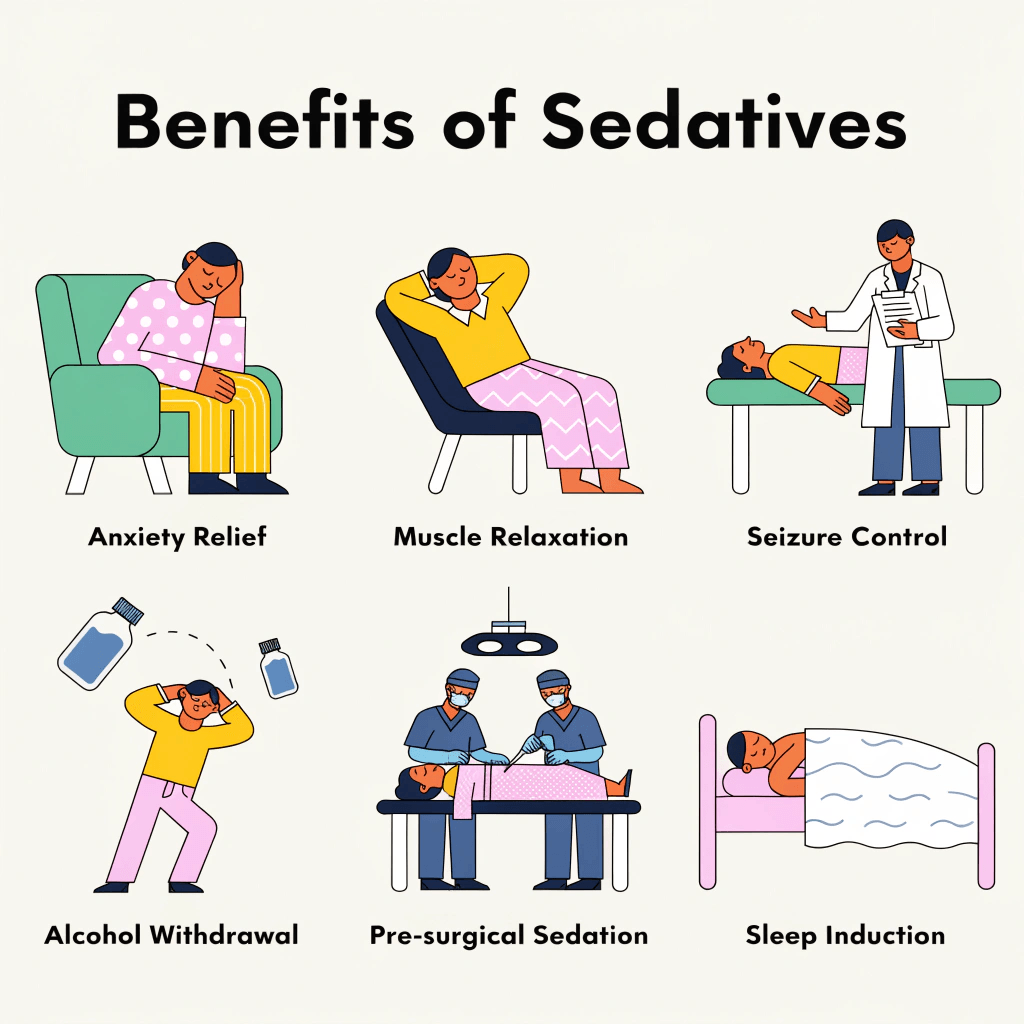
The benefits of bensedin used as a sedative are listed below.
- Anxiety Relief: Rapidly calms severe anxiety and sudden panic attacks by slowing down overactive brain signals.
- Muscle Relaxation: Effectively relieves painful muscle spasms and stiffness caused by injuries or neurological conditions.
- Seizure Control: Swiftly stops sudden epileptic seizures and prevents them from returning during neurological emergencies.
- Alcohol Withdrawal: Safely manages dangerous withdrawal symptoms like tremors and agitation during alcohol detoxification.
- Pre-surgical Sedation: Induces deep relaxation and reduces memory formation before stressful dental or medical procedures.
- Sleep Induction: Helps patients struggling with severe, temporary insomnia fall asleep much faster.
How to Purchase Quality Bensedin in the United Kingdom?
The common ways to purchase quality Bensedin in the UK are listed below.
- NHS Prescriptions: A doctor writes a valid prescription after an assessment; you then collect it from any registered high-street pharmacy.
- Private Prescriptions: A private healthcare doctor issues a prescription, which you can fill at a private or standard local pharmacy.
- Registered Online Pharmacies: You complete a digital consultation with an approved online doctor who dispatches it via a verified UK online store.
Can A Person Buy Bensedin Without A Prescription in the UK?
No, a person can not buy Bensedin as a sedative without a prescription in the UK because it is strictly classified as a Class C, Schedule 4 controlled drug under UK law. Consequently, selling it over the counter is a serious criminal offence.
Medical professionals must carefully evaluate the various uses of sedatives to determine the exact dosage required for safe sedation. Furthermore, doctors need to consider how the specific sedative mechanism will interact with your unique biology before prescribing any types of sedatives.
Therefore, popular sedatives consistently require formal medical authorisation. Specifically, UK regulations permit registered pharmacy shops to provide a maximum 5-day emergency supply. This exception only applies if you urgently run out of a medicine that a doctor previously prescribed to you. In fact, pharmacists must use strict clinical judgment to ensure this temporary supply remains entirely safe and legally compliant.