
Epilepsy is a chronic neurological brain disorder characterised by a tendency for recurring seizures that are unprovoked. The brain temporarily misfires electrical signals. These rapid electrical disruptions interfere with normal neurological pathways.
As a result, it manifests in several distinct forms. The main types include generalised seizures affecting both hemispheres, focal seizures, and unknown-onset seizures. Primary symptoms include temporary confusion, uncontrollable jerking movements, and sudden loss of consciousness. Common underlying causes range from genetic influence and severe head trauma to structural brain conditions like tumours, strokes, or prenatal injuries.
Managing these conditions requires a comprehensive approach, often utilising a strict diet, neurostimulation devices, brain surgery, or anti-seizure medications. Galenika Bensedin Diazepam is one common rescue treatment. It acts rapidly to enhance calming neurotransmitters that suppress overactive brain signals during prolonged acute episodes. It is a strictly controlled substance. Patients in the UK usually buy imported generic diazepam medications like Bensedin exclusively with a valid doctor’s prescription.
What is Epilepsy?
Epilepsy is a chronic neurological disorder characterised by recurrent, unprovoked seizures caused by abnormal electrical activity that temporarily disrupts normal brain function and activity. According to Epilepsy Action, there are 630,000 individuals with epilepsy in the UK. The estimated prevalence of active epilepsy is approximately 0.4–1.0% of the general population.
According to neurologist Dr Abhishek Juneja, it is “a chronic disease affecting the central nervous system causing multiple seizure attacks without any known trigger”. A seizure is merely a single event of abnormal electrical surge. On the other hand, epilepsy is the condition diagnosed only after multiple unprovoked episodes.
It occurs when groups of neurons send unusually rapid signals at the same time. It is not contagious. History shows this condition was first discovered in ancient Mesopotamia around 4000 years ago.
What is the History of Epilepsy?
Epilepsy is a condition that is over 4,000 years old! It first appeared in ancient Akkadian and Babylonian texts, where people widely feared it as a spiritual or supernatural condition. Early civilisations deeply misunderstood the seizures. This mystical perspective slowly began to change when the Greek physician Hippocrates described it as a physical disease originating in the brain.
However, the definitive shift to our modern medical understanding took centuries to fully materialise. During the 19th century, pioneering researchers like John Hughlings Jackson and Dr Robert Bentley Todd rigorously observed these episodes. Ultimately, their groundbreaking clinical work successfully linked epilepsy directly to observable electrical and neurological dysfunction in the brain.
How Do Seizures Work in the Brain During Epilepsy?
Seizures work in the brain during epilepsy as a result of sudden, synchronised, and excessive abnormal electrical activity caused by a severe imbalance between excitatory and inhibitory signals. The system becomes completely overloaded. This rapid surge creates profound neuronal and signal disruption, which frequently begins with a subtle warning sensation known as an aura.
Then, the brain enters the active, seizing state known as the ictal phase. Depending on the specific types of epilepsy a person experiences, this disrupted normal brain function leads to sudden involuntary movements, altered sensations or emotions, and a possible loss of consciousness. The body temporarily loses command. Finally, the event concludes with the recovery period called the postictal phase, leaving the individual exhausted and confused while their neural pathways slowly reset.
What are The Types of Epilepsy and Seizures?
The types of Epilepsy and Seizures include generalised seizures, focal seizures, and unknown-onset seizures. Precise classification directly dictates which anti-seizure medications will be most effective for the patient. The types of Epilepsy are listed below.
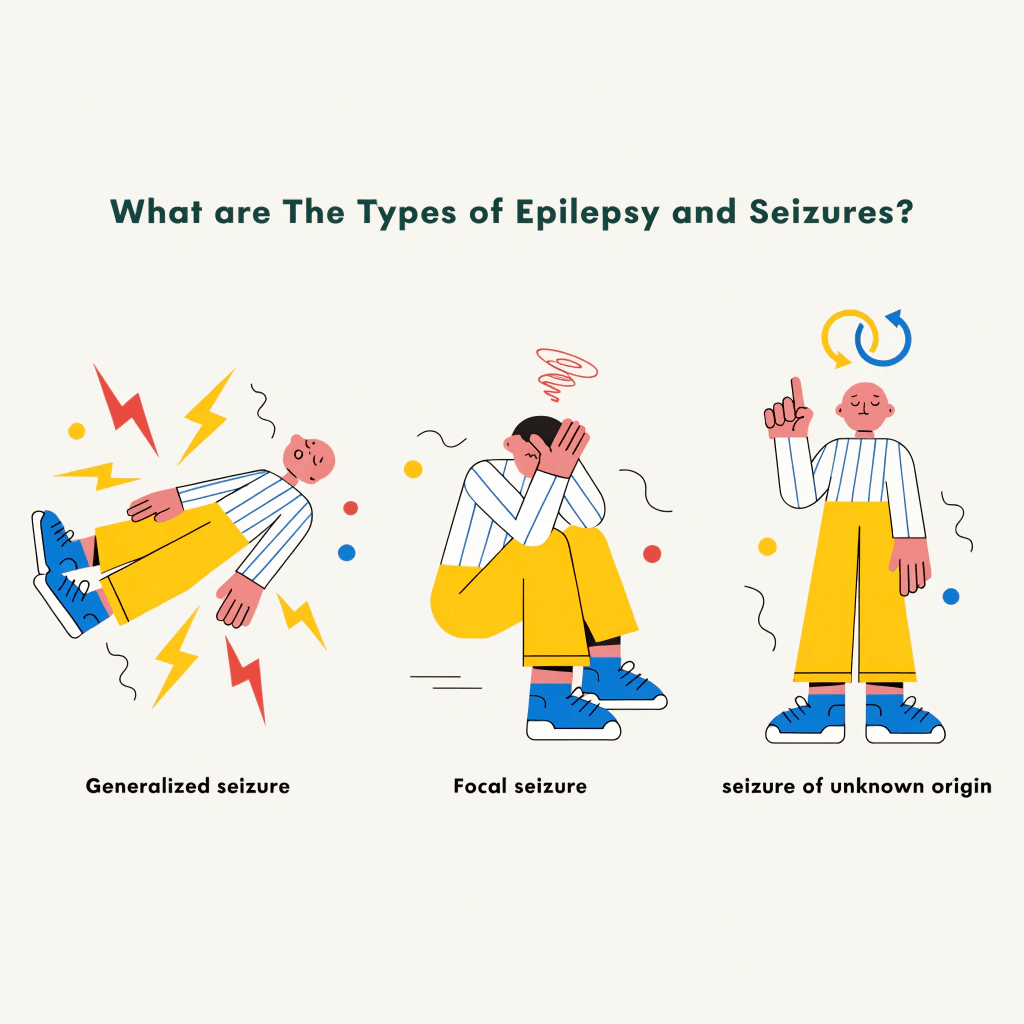
- Generalised Seizures: Generalised seizures are massive electrical disruptions that simultaneously engage and severely affect both hemispheres of the brain from the very beginning. It completely overwhelms the neural networks. This massive electrical surge triggers profound physical responses, encompassing tonic-clonic, absence, myoclonic, and atonic types. According to Healthline, generalised seizures affect more than 30% of people with epilepsy worldwide.
- Focal Seizures: Focal seizures are localised abnormal electrical surges that originate and remain strictly restricted to just one specific area within a single brain hemisphere. It misfires in a targeted zone. Therefore, the disruption causes localised symptoms corresponding directly to the affected region, manifesting either with awareness or without awareness. According to Medscape, focal epilepsies are the most common type, accounting for approximately 60% of adult-onset epilepsy cases.
- Unknown Onset Seizures: Unknown onset seizures are epileptic events where the absolute beginning of the electrical disruption cannot be definitively traced or observed by medical professionals. The origin remains completely hidden. According to a population-based study published using the ILAE 2017 classification, unknown onset seizures account for approximately 5–6% of epilepsy cases, though this classification frequently changes as further clinical evidence emerges.
What are The Symptoms of Epilepsy?
The symptoms of Epilepsy include a wide range of physical, sensory, and psychological manifestations that completely disrupt normal daily life. These events are highly unpredictable. The symptoms of Epilepsy are listed below.
- Motor Symptoms: Motor Symptoms are uncontrollable physical movements like sudden jerking, severe muscle stiffness, or a complete loss of muscle tone during an episode. According to Dr Dawn Eliashiv, patients may experience the sudden tightening of a limb or strange repetitive movements.
- Sensory Symptoms: Sensory Symptoms are sudden, unusual physical sensations like strange tastes, bizarre smells, sudden numbness, or tingling occurring without any external stimuli. These are sometimes the first symptoms.
- Cognitive Symptoms: Cognitive Symptoms are temporary disruptions in memory, focus, and overall awareness that make the person seem completely disconnected from reality. According to Dr Dawn Eliashiv, individuals may have an altered sense of consciousness and may not even remember the seizure occurring. The brain essentially hits a pause button. Consequently, the person might stare blankly into space. Thus, they will likely be completely unable to answer simple questions during the active event.
- Emotional Symptoms: Emotional Symptoms are sudden, unprovoked waves of intense feelings such as extreme fear, panic, anxiety, or an overwhelming sense of déjà vu. Some patients may intensely experience fear, anxiety, or a sudden feeling of impending doom. These psychological waves wash over the patient rapidly. Consequently, they can feel completely terrified without any logical reason. Therefore, providing calm emotional support is crucial during the episode.
- Post-seizure Symptoms: Post-seizure Symptoms are the lingering physical and mental aftereffects, including profound confusion, intense fatigue, severe headache, and lasting body aches. Patients often wake up completely disoriented and may remain heavily confused for half an hour. The body needs significant time to reset itself. However, the exact recovery phase varies drastically between individuals. Besides, some patients might genuinely need an entire day to regain their normal energy levels.
What are The First Signs of Epilepsy?
The first signs of epilepsy include recurring unexplained seizures, staring spells, temporary confusion, uncontrolled jerking movements, sudden falls, or sudden sensory changes like unusual tastes or smells. These intense disruptions immediately affect a person. In addition, individuals frequently exhibit additional associated features during these events, such as brief episodes lasting only seconds or minutes, a possible loss of consciousness, involuntary automatisms like repetitive lip-smacking, or sudden, unprovoked feelings of intense fear. Early detection is absolutely vital. Identifying these subtle preliminary warnings allows neurologists to intervene rapidly and establish an effective, customised management plan before the condition progresses further.
How Does Epilepsy Affect a Person?
Epilepsy causes both physical and mental hardship among patients. The ways Epilepsy affects a person are listed below.
- Physical injuries: Sudden falls during active seizures frequently lead to severe physical injuries like fractures, bruises, etc.
- Depression and anxiety: The condition’s unpredictable nature causes immense stress. As a result, patients frequently develop severe depression and anxiety.
- Memory problems: Recurring electrical surges disrupt delicate neural pathways. Thus, individuals frequently experience significant long-term memory problems.
- SUDEP: Rarely, uncontrolled seizures trigger fatal respiratory failure. This tragic phenomenon is officially known as SUDEP.
- Pregnancy risks: Unmanaged seizures naturally create severe pregnancy risks. Strict medical supervision effectively ensures safer fetal development.
What are The Causes of Epilepsy?
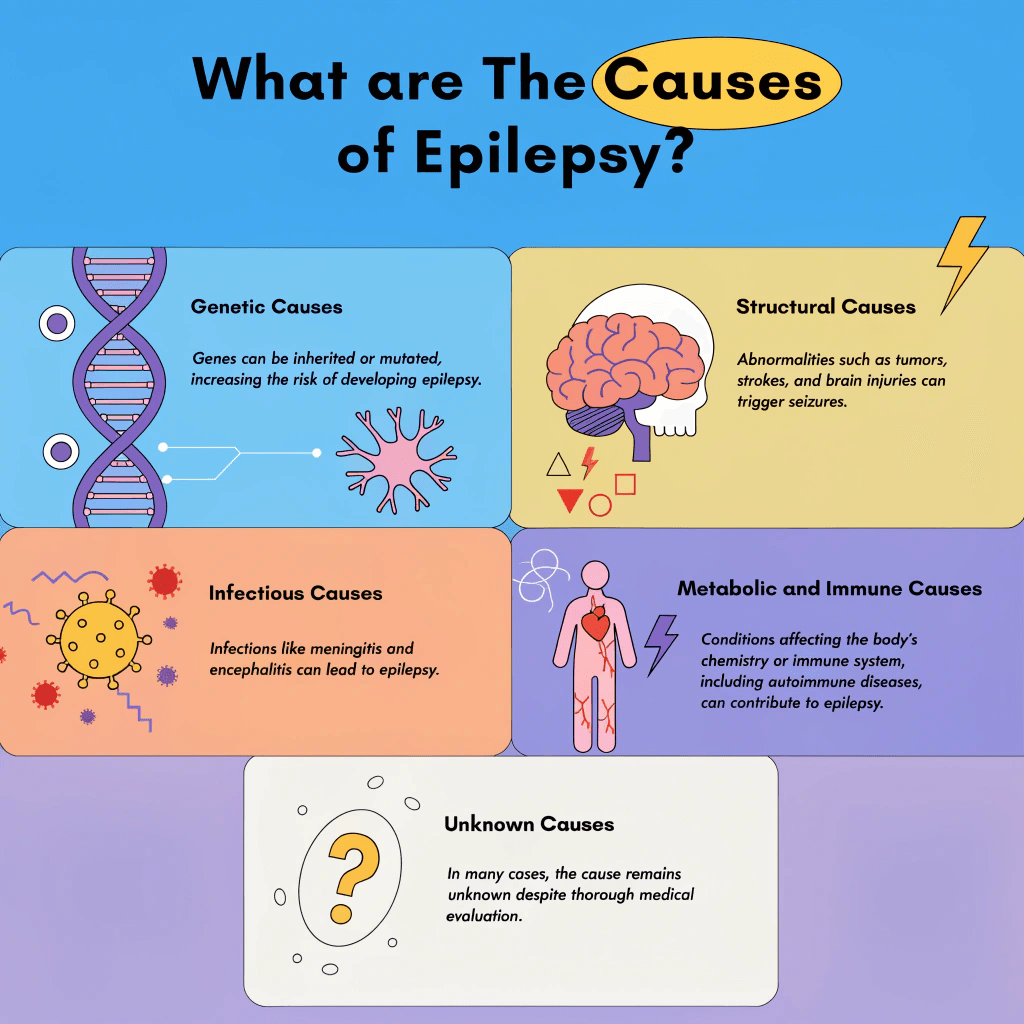
The causes of Epilepsy include genetic abnormalities, structural brain damage, severe infectious diseases, systemic metabolic imbalances, and completely unknown factors. They disrupt normal brain function. Consequently, identifying the specific origin is essential for creating an effective treatment plan. The causes of Epilepsy are listed below.
- Genetic Causes: Genetic causes mean inherited DNA mutations altering brain function, and this includes specific gene flaws making neurons highly excitable. According to Dr Samuel Berkovic, certain genetic factors can directly trigger seizures by fundamentally changing how ion channels operate in the brain. Some families share these traits. Furthermore, these inherited traits explain why epilepsy sometimes runs strongly through multiple generations.
- Structural Causes: Structural causes mean visible physical damage within the brain, and this includes brain tumours, strokes, or severe head trauma. According to Dr Sanjay Gupta, any significant physical scar on the brain cortex can permanently disrupt electrical pathways and cause recurrent seizures. The damage is often irreversible. Consequently, surgical intervention is sometimes the only viable option to remove the problematic tissue.
- Infectious Causes: Infectious causes refer to severe brain infections, and this includes debilitating conditions like meningitis, viral encephalitis, and neurocysticercosis, causing inflammation. According to Dr Gagandeep Singh, intense infections in the central nervous system leave behind microscopic scars that serve as permanent seizure focus points. The body desperately fights the invader. However, the resulting aggressive inflammatory response fundamentally alters the delicate neural networks.
- Metabolic and Immune Causes: Metabolic and Immune Causes mean internal chemical imbalances or autoimmune attacks, and this includes severe low blood sugar or autoimmune encephalitis. According to Dr Josep Dalmau, specific autoimmune diseases cause the body to mistakenly attack its own brain receptors, directly leading to severe epilepsy. The immune system completely malfunctions. Therefore, accurately treating the underlying inflammation often stops the seizures entirely.
- Unknown Causes: Unknown Causes means the exact origin remains completely unidentified, and this includes frustrating cases where all standard tests appear perfectly normal. According to Dr Orrin Devinsky, despite all our advanced modern testing, roughly half of all epilepsy cases still have no identifiable cause. It is deeply frustrating for patients. Furthermore, dedicated researchers continuously work to uncover these hidden microscopic anomalies.
What Triggers a Seizure?
The common triggers of a seizure are listed below.
- Missed medication: Missed medication drops the protective drug levels in your blood rapidly, resulting in the loss of the brain’s protection.
- Sleep deprivation: Severe sleep deprivation physically exhausts the brain completely. Consequently, the neural networks become highly unstable.
- Stress: Extreme psychological stress floods the body with chaotic hormones, directly sparking seizures.
- Alcohol: Consuming heavy alcohol disrupts the brain’s natural electrical balance. Consequently, the subsequent withdrawal causes massive neuronal surges.
- Flashing lights: Strobe lights overstimulate the visual cortex intensely. However, this specific trigger only affects certain patients.
How to Diagnose Epilepsy?
Doctors must examine carefully to diagnose epilepsy. They use multiple specialised tests before considering options for curing epilepsy. The main ways to diagnose epilepsy are listed below.
- Medical history: A detailed medical history reveals your exact symptom timeline.
- Neurological evaluation: A comprehensive neurological evaluation tests your motor skills and behaviour.
- EEG: An EEG directly records the electrical activity of the brain.
- MRI: An MRI deeply scans for physical abnormalities like tumours or strokes. However, the scan might sometimes appear normal.
Can Epilepsy Be Cured?
No, Epilepsy cannot be cured instantly, as there is no universal cure, but it is a highly treatable condition for the vast majority of patients worldwide. The clinical outlook is very positive. According to the WHO, up to 70% of people with epilepsy could become seizure-free with appropriate antiseizure treatment. Some childhood epilepsy syndromes may also remit with age, and selected patients may eventually discontinue medication after prolonged seizure freedom under medical supervision. Furthermore, precise neurological surgery may safely remove the structural root cause of the disorder, directly resulting in absolute long-term seizure freedom for carefully selected candidates.
What are The Treatment Options of Epilepsy?
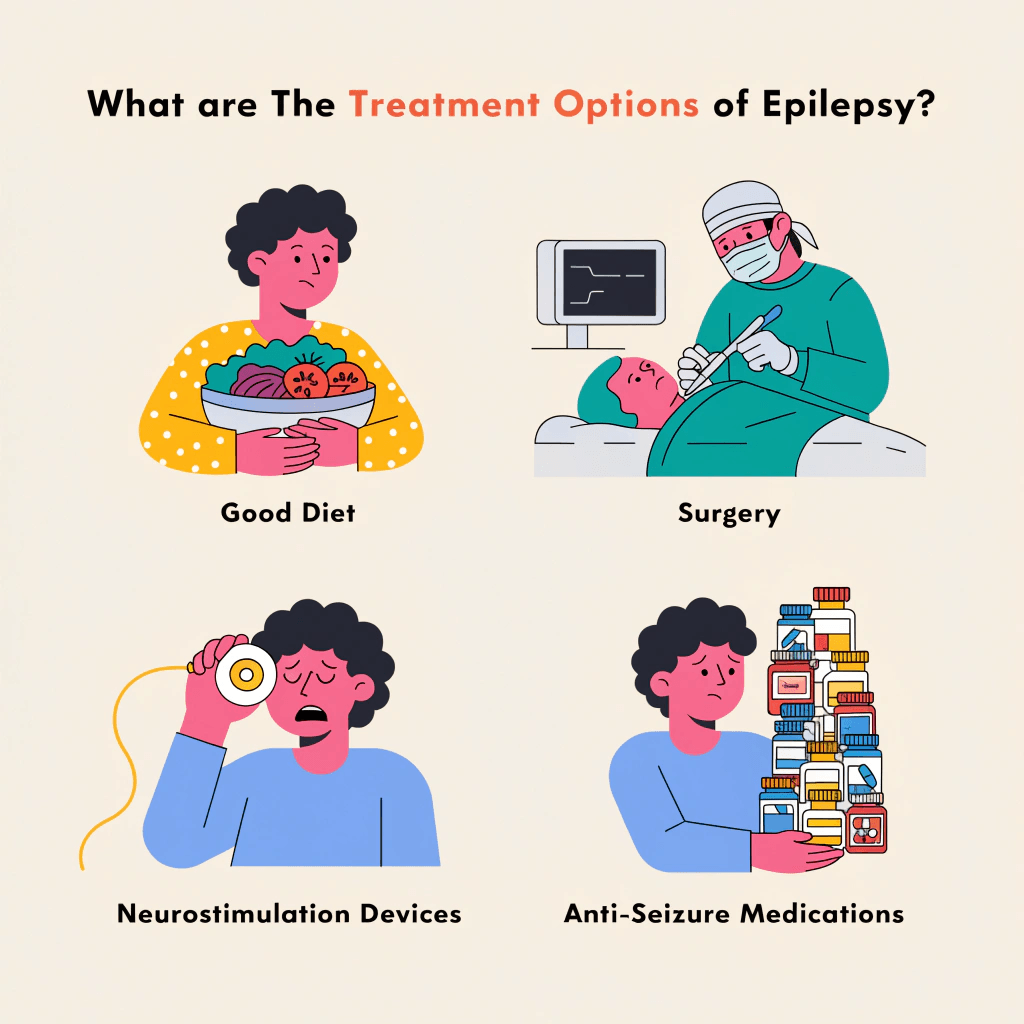
The treatment options of epilepsy involve various medical and lifestyle approaches designed to significantly reduce or eliminate the frequency of unprovoked seizures. These methods require strict dedication. Besides, these clinical management plans must be highly personalised for each individual patient. Therefore, consulting a neurologist is absolutely vital to finding the right path. The treatments for epilepsy are listed below.
- Good Diet: Good Diet means adopting specific nutritional plans to alter brain metabolism, and this includes the strict, high-fat ketogenic diet. According to Dr Eric Kossoff, the ketogenic diet is a proven medical therapy that can drastically reduce seizures. It changes neuronal energy sources. This strict nutritional regimen helps effectively stabilise hyperactive neural networks.
- Surgery: Surgery means safely removing the specific brain area causing seizures, and this includes procedures like a focal resection. According to Dr Guy McKhann, epilepsy surgery is incredibly effective for patients whose seizures originate from a single brain region. It is highly precise. However, a doctor must carefully evaluate your clinical eligibility for this advanced physical intervention.
- Neurostimulation Devices: Neurostimulation devices mean implanting pacemakers for the brain to regulate electrical activity, and this includes vagus nerve stimulators. According to DrDrobert Fisher, these implanted devices send mild electrical pulses to the brain to prevent or interrupt seizure activity. They work continuously. Furthermore, these advanced implants consistently modulate neural pathways to deliver precise therapy exactly when needed.
- Anti-Seizure Medications: Anti-seizure medications mean taking daily prescription pills to stabilise neuronal firing, and this includes common drugs like levetiracetam. According to Dr Jacqueline French, medications are the first line of defence and can successfully control seizures in most patients. They are highly effective. Thus, adhering strictly to the prescribed pharmacological dosage is absolutely essential for long-term physiological stability.
Is Seeing a Doctor Necessary Before Taking Epilepsy Medications?
Yes, seeing a doctor is necessary before taking epilepsy medications because these powerful drugs fundamentally alter brain chemistry and carry significant risks of severe side effects if misused. Self-medication is extremely dangerous. A specialised neurologist must carefully review the complete medical history and perform comprehensive diagnostic tests to definitively rule out other underlying medical conditions. This strict clinical evaluation also ensures that the chosen treatment safely avoids any dangerous interactions with the existing health profile. Precision is essential.
What Are the Best Medications for Epilepsy?
The best medications for Epilepsy include daily maintenance prescriptions and rapid emergency interventions. They regulate brain waves. Consequently, neurologists must tailor these choices carefully. The medications for Epilepsy are listed below.
- Levetiracetam: Levetiracetam is a widely used broad-spectrum drug that effectively prevents various seizure types. Therefore, it is highly prescribed globally.
- Sodium Valproate: Sodium Valproate is a powerful traditional medication utilised primarily for generalised epilepsy. It blocks surges. However, it carries severe fetal pregnancy risks.
- Lamotrigine: Lamotrigine is an effective modern anticonvulsant favoured for its minimal side effects. It stabilises neurons. Furthermore, many adults develop tolerance against this medication quickly.
- Diazepam: Diazepam is a fast-acting emergency rescue drug. It calms sudden neural clusters quickly. Consequently, it actively prevents prolonged epileptic episodes from becoming fatal.
How Does Bensedin Diazepam Work on Epilepsy and Seizure?
Bensedin works on epilepsy and seizures by enhancing the effects of GABA, the main inhibitory neurotransmitter, to calm excessive electrical activity. The brain settles down quickly. However, its primary clinical use is strictly as a fast-acting rescue medication for prolonged or cluster seizures rather than for long-term daily prevention. Patients rely on it during emergencies. Therefore, medical professionals prescribe alternative maintenance drugs for everyday control.
How to Purchase Quality Bensedin in the UK?
It is a strictly controlled substance. So patients must carefully navigate authorised medical channels to ensure they receive safe and legitimate medication. The common ways to purchase quality Bensedin in the United Kingdom are listed below.
- NHS Pharmacies: Submit a valid doctor’s prescription to a licensed physical pharmacy location.
- Online Pharmacies: Use verified websites displaying the GPhC logo that mandate a medical prescription.
- Private Clinics: Consult a private UK doctor to get a legal prescription for private dispensaries.
Is it possible to Buy Galenika Bensedin for Epilepsy Without A Prescription in the UK?
No, a person can not directly buy Bensedin without a prescription in the UK, or in the majority of countries. It is heavily restricted and officially classified as a Class C, Schedule 4 controlled drug under UK law. The regulations are absolute. While managing Epilepsy and understanding the different types of epilepsy, patients must carefully navigate these rigid legal channels safely.
Because the exact symptoms and causes vary so wildly among individuals, licensed doctors must meticulously authorise all specific treatments for epilepsy. Therefore, standard pharmacies will automatically reject any undocumented purchase requests from the general public. And please stay away from buying prescription medicines like Bensedin Galenika or any other meds on your own.