
Anxiolytics are a class of prescription medications primarily designed to prevent, manage, and significantly reduce symptoms of acute and chronic anxiety. They work by altering specific chemical messengers in the brain, such as enhancing the inhibitory neurotransmitter GABA or balancing serotonin and norepinephrine levels.
As a result, they calm an overactive central nervous system. Clinically, these drugs are widely used to treat generalised anxiety disorder, acute panic attacks, social phobias, and severe stress-related conditions. The main types include fast-acting Benzodiazepines (with common dosages like 2–10 mg for Bensedin), long-term SSRIs and SNRIs (such as sertraline at 50–200 mg daily), Buspirone (typically 15–30 mg daily), and Beta-Blockers (like propranolol at 10–40 mg, used as needed for physical anxiety symptoms).
Because of the risks of tolerance and dependence, anxiolytics like Bensedin diazepam by Galenika brand is strictly regulated as prescription-only medicines in the UK. So, they can only be legally bought from a registered pharmacy with a valid prescription from a licensed healthcare professional.
What is An Anxiolytic?
An anxiolytic, antipanic or anti-anxiety agent is a category of prescription medication specifically designed to inhibit anxiety, effectively reducing excessive nervousness, fear, and psychological distress in patients. It is pronounced as ANG-zee-uh-LIT-ik.
These drugs are medically classified as minor tranquillisers or central nervous system (CNS) depressants. According to data published in Scientific American, approximately 8.3% of US adults are prescribed drugs in the sedative, hypnotic, and anxiolytic category annually, with more than eight in ten of those users reporting long-term use (Moore & Mattison, 2017). According to psychiatrist Dr Tracey Marks, “an anxiolytic doesn’t just mask the fear; it actively recalibrates the hyperactive fear centres of your brain so you can function normally.”
While they belong to similar drug families, there is a distinct difference between an anxiolytic and a sedative. An anxiolytic specifically targets and reduces anxiety without necessarily causing severe sleepiness, whereas a sedative is administered specifically to induce drowsiness and sleep.
First discovered in the mid-1950s with the synthesis of early minor tranquillisers like meprobamate and chlordiazepoxide, this anti-anxiety medication works by boosting the effect of calming neurotransmitters, primarily GABA, to slow down overactive neural firing. Today, proper anxiolytic drugs remain a crucial intervention for patients who need chemical stabilisation to regain their quality of life.
What is The History of Anxiolytics?
The history of anxiolytics began with early attempts to calm the human nervous system using ancient herbal remedies, which later gave way to riskier chemical sedatives like bromides in the 1860s and highly addictive barbiturates in the early 1900s. As medical science gained a deeper understanding of how medication works in the brain to regulate mood and fear, the modern pharmaceutical era emerged.
This safer, targeted approach was pioneered by the introduction of meprobamate in the 1950s as a less toxic alternative to barbiturates. The field was revolutionised shortly after in the 1960s with the discovery of benzodiazepines, such as Librium and Valium, which provided rapid anxiety relief with a much wider margin of safety. Eventually, recognising the long-term dependence risks of these early tranquillisers, the 1980s saw the emergence of SSRIs, which shifted the medical focus toward sustainable, non-habit-forming anxiety management by modulating specific neurotransmitters over time.
How Do Anxiolytics Work?
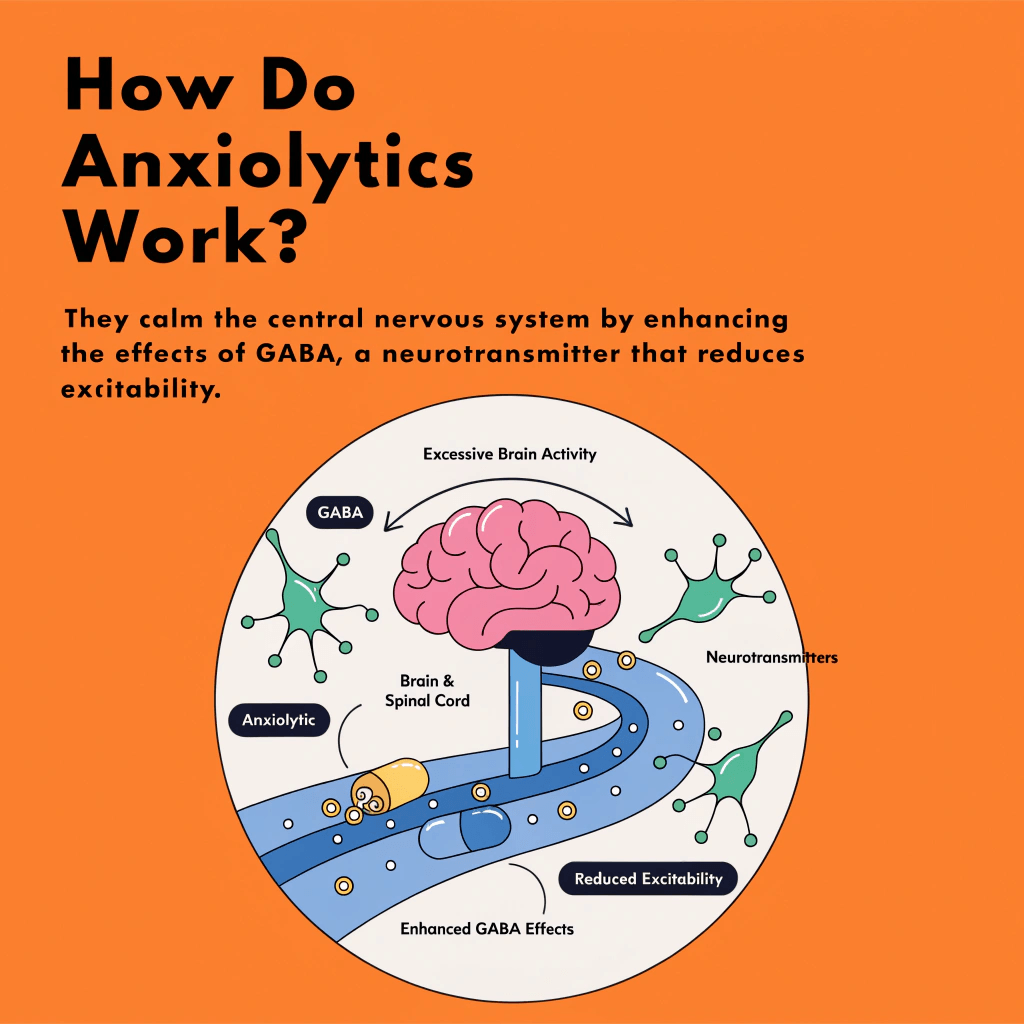
Anxiolytics work by calming the central nervous system. This is done by enhancing the effects of the neurotransmitter GABA to reduce excessive brain activity. While this primary anxiolytic mechanism is characteristic of fast-acting medications like benzodiazepines, different types of Anxiolytics utilize alternative pathways, such as modulating serotonin and mood regulation, to prevent distress and stabilise emotions over the long term. Regardless of the specific neurochemical target, these medications generally induce a degree of CNS depression and a profound calming effect throughout the body. Ultimately, this results in slowing nerve signals to quickly relieve anxiety, panic symptoms, and muscle tension, allowing patients to regain their physical and psychological equilibrium.
What are The Uses of Anxiolytics?
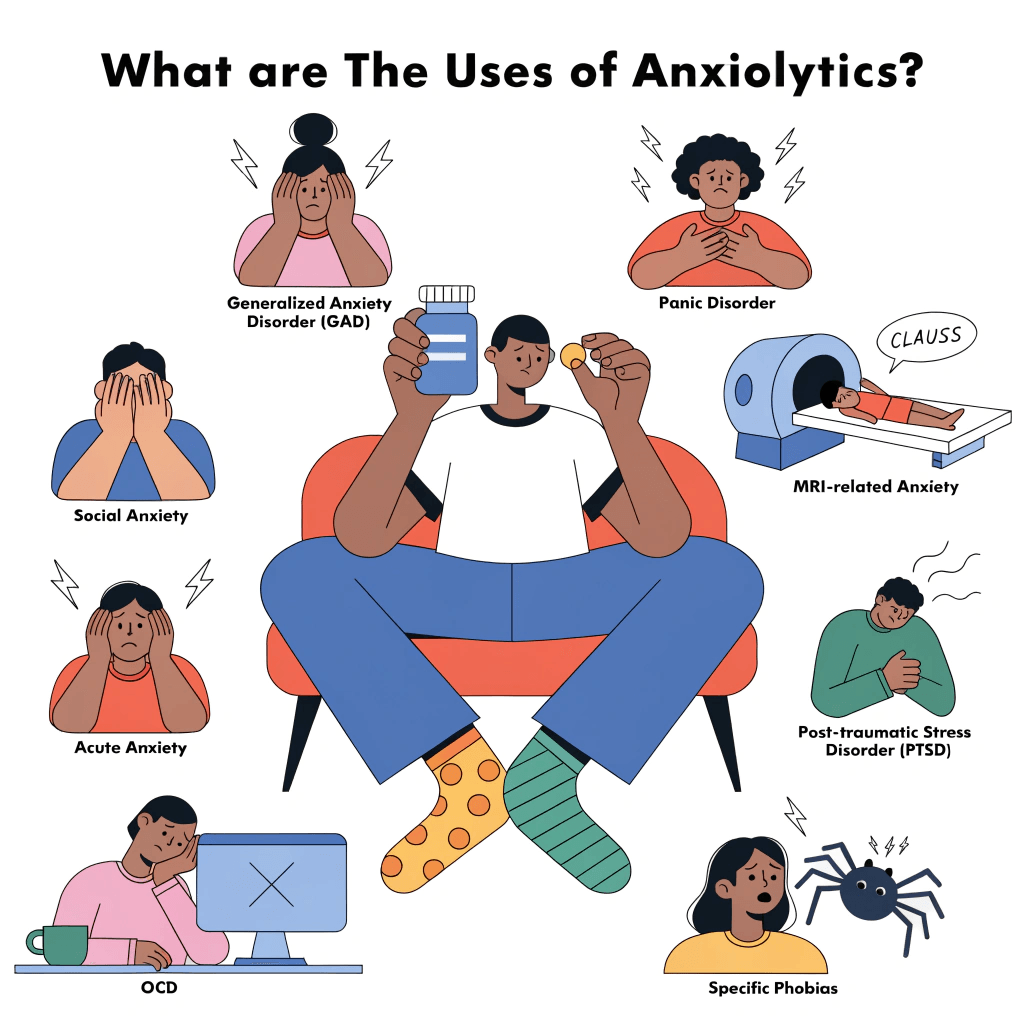
The uses of Anxiolytics include treating a wide range of psychological and physiological conditions characterised by excessive fear, tension, and nervous system overactivity. The uses of Anxiolytics are listed below.
- Generalised Anxiety Disorder (GAD): Generalised Anxiety Disorder (GAD) is a chronic condition characterised by persistent, excessive, and uncontrollable worry about everyday situations. Anxiolytics help by stabilising neurotransmitter levels to reduce this constant apprehension, though doctors must carefully weigh the good and bad effects, such as symptom relief versus potential drowsiness or dependence over long-term use.
- Panic Disorder: Panic Disorder refers to an anxiety disorder marked by recurring, unexpected panic attacks that cause sudden periods of intense fear. Fast-acting anxiolytics help by rapidly suppressing the acute hyperarousal in the brain, halting the severe physical and psychological symptoms of a panic attack as they occur.
- Social Anxiety: Social Anxiety is an intense, persistent fear of being watched and judged by others in social or performance situations. Anxiolytics help by dulling the exaggerated fear response and lowering physical symptoms like a racing heart, allowing patients to navigate social interactions with greater ease and confidence.
- Acute Anxiety: Acute Anxiety is a short-term, severe stress response triggered by a specific, immediate, and overwhelming situation or crisis. Anxiolytics help by quickly depressing the central nervous system to provide immediate, temporary relief from intense emotional distress and muscular tension.
- MRI-related Anxiety: MRI-related Anxiety is a form of situational claustrophobia or panic triggered by the confined space and loud noises of a magnetic resonance imaging machine. Anxiolytics help by mildly sedating the patient, inducing a relaxed state that prevents a panic response and allows them to remain completely still for the duration of the scan.
- Specific Phobias: Specific Phobias are overwhelming and unreasonable fears of objects or situations that pose little real danger, such as heights, flying, or spiders. Anxiolytics help by blocking the physiological panic cascade when the patient anticipates or is exposed to the trigger, making the dreaded event or object tolerable.
- Post-traumatic Stress Disorder (PTSD): Post-traumatic Stress Disorder (PTSD) is a mental health condition triggered by experiencing or witnessing a terrifying traumatic event. While often managed with long-term SSRIs, anxiolytics help by minimising severe hypervigilance, reducing sleep disturbances, and calming sudden surges of trauma-related panic.
- Obsessive-compulsive Disorder (OCD): Obsessive-compulsive Disorder (OCD) is a chronic disorder featuring uncontrollable, recurring thoughts (obsessions) and repetitive behaviours (compulsions). Long-acting anxiolytics, particularly SSRI-class medications, help by correcting serotonin imbalances to steadily decrease the frequency and intensity of distressing obsessive thoughts and the urge to perform compulsions.
Are there Any Side Effects of Anxiolytics?
Yes, anxiolytics can cause side effects such as drowsiness, dizziness, fatigue, and noticeable memory or concentration issues. While these initial reactions often occur as the body adjusts to the medication, patients must also be aware of more serious or long-term risks, which include nausea, blurred vision, sexual dysfunction, and lowered blood pressure. Additionally, because many of these medications are potent controlled substances, there is a significant potential for psychological dependence or physical withdrawal with long-term use, especially with certain types like fast-acting benzodiazepines. Sudden withdrawal of these medications after prolonged use can trigger symptoms including anxiety, insomnia, irritability, and, in severe cases, seizures.
Which Substances Interact with Anxiolytics?
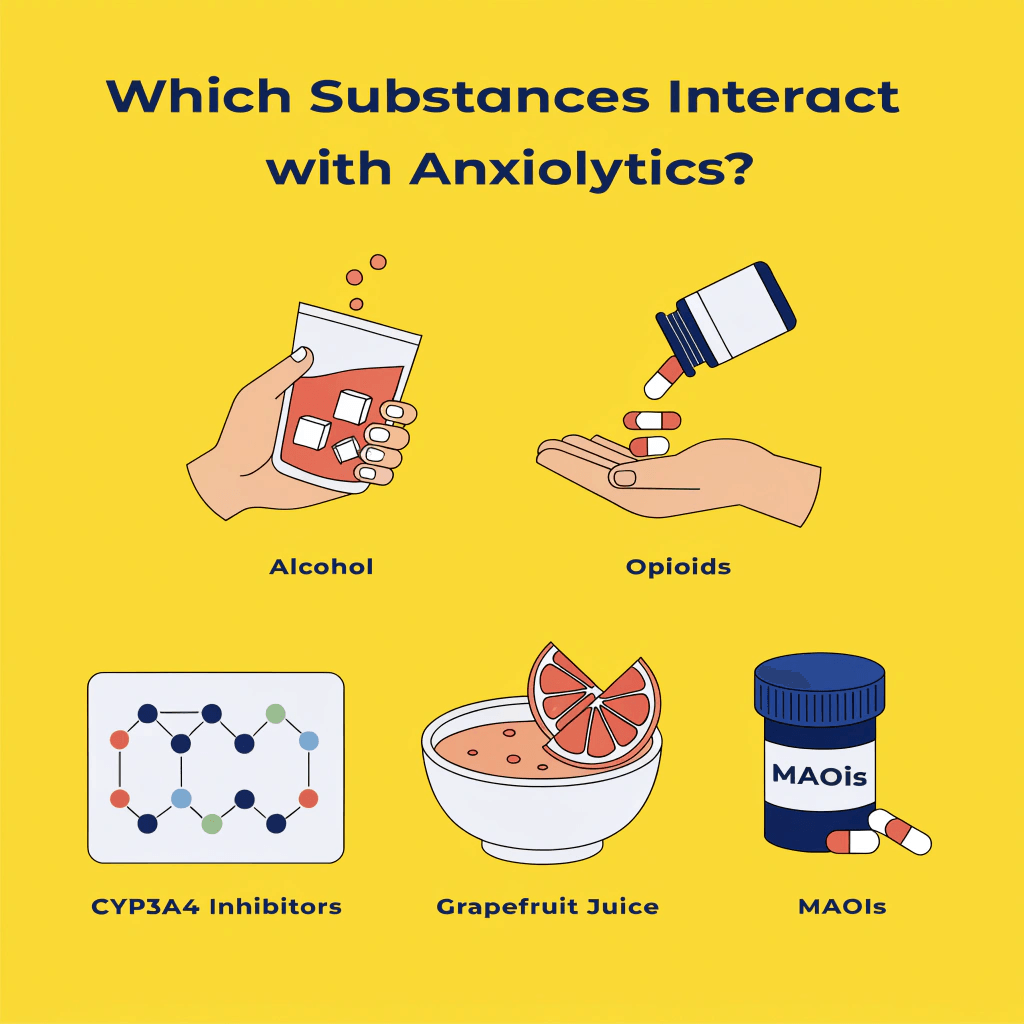
The substances that interact with anxiolytics are listed below.
- Alcohol: Alcohol is a central nervous system depressant that dangerously amplifies the sedating effects of anti-anxiety medications.
- Opioids: Opioids are powerful pain relievers that can cause fatal respiratory depression when combined with anxiolytic drugs.
- CYP3A4 Inhibitors: CYP3A4 inhibitors are drugs that block liver enzymes, slowing metabolism and requiring an adjusted anxiolytic dosage.
- Grapefruit Juice: Grapefruit juice contains natural compounds that block metabolic enzymes, which can dangerously increase medication levels.
- MAOIs: MAOIs are older antidepressants that can trigger severe, life-threatening blood pressure spikes if mixed with certain anxiolytics.
What are The Common Dosages of Anxiolytics?
The common dosages of anxiolytics vary depending on several critical factors, including the specific medication prescribed, the severity of the condition being treated, the patient’s age, and their overall kidney or liver function. When determining the right amount, doctors consider the general categories of these drugs: fast-acting benzodiazepines are typically used short-term at highly individualised doses to manage acute symptoms, while non-benzodiazepines are often used for long-term management and require gradual dosage adjustments to maintain consistent therapeutic levels without causing toxicity.
What are The Types of Anxiolytic Medications?
The types of Anxiolytic medications include fast-acting sedatives, daily antidepressants, nerve-blocking agents, and specific neurotransmitter modulators used to manage fear and stress. The types of Anxiolytic medications are listed below.
- Benzodiazepines: Benzodiazepines are fast-acting central nervous system depressants that enhance GABA to quickly relieve severe anxiety, offering the immediate calming benefits of Bensedin for acute panic and distress.
- SSRIs and SNRIs: SSRIs and SNRIs are daily antidepressant medications that adjust serotonin and norepinephrine levels in the brain to sustainably manage long-term chronic anxiety disorders.
- Buspirone: Buspirone is a non-sedating, slow-acting daily anti-anxiety medication that primarily targets serotonin receptors to safely relieve chronic worry without causing physical dependence or severe withdrawal symptoms.
- Beta-Blockers: Beta-Blockers are off-label cardiovascular medications that block adrenaline to quickly stop the physical symptoms of anxiety, such as a racing heart and shaking, during high-stress situations.
What are The Benefits of Bensedin Used as an Anxiolytic?
The benefits of Bensedin used as an anxiolytic are listed below.
- Rapid Relief: Provides fast-acting relief for severe anxiety and panic attacks, calming the mind almost immediately after absorption.
- Muscle Relaxation: Effectively reduces severe physical tension and uncomfortable muscle spasms often associated with intense, acute anxiety episodes.
- Seizure Control: Acts quickly to stabilise abnormal brain electrical activity, helping to prevent or stop sudden epileptic seizures.
- Sleep Aid: Promotes drowsiness and deep physical relaxation, helping patients with severe anxiety overcome acute, stress-induced insomnia.
- Pre-surgical Sedation: Safely calms nerves, reduces preoperative fear, and induces mild amnesia before stressful medical procedures or surgeries.
How to Purchase Quality Bensedin in the United Kingdom?
The common ways to purchase quality diazepam brands like Bensedin by Galenika in the UK are listed below.
- NHS Prescription: You can legally obtain Bensedin through an NHS doctor’s consultation and collect it from a local pharmacy.
- Private Clinics: Private medical professionals issue valid prescriptions following a paid consultation, redeemable at any registered UK pharmacy.
- Registered Online Pharmacies: GPhC-regulated online stores legally dispense this medication directly to your door using a valid digital prescription.
Can A Person Buy Bensedin for Anxiety Without A Prescription in the UK?
No, a person can not buy Galenika Bensedin or any other diazepam brands like Accord or Teva without a prescription in the UK because diazepam is a strictly regulated Class C, Schedule 4 controlled drug under UK law.
Due to the powerful anxiolytic mechanism that directly alters brain chemistry, medical professionals must carefully evaluate the patient to determine the safest dosage of anti-anxiety meds and choose appropriately from the various types of anxiolytics available.